
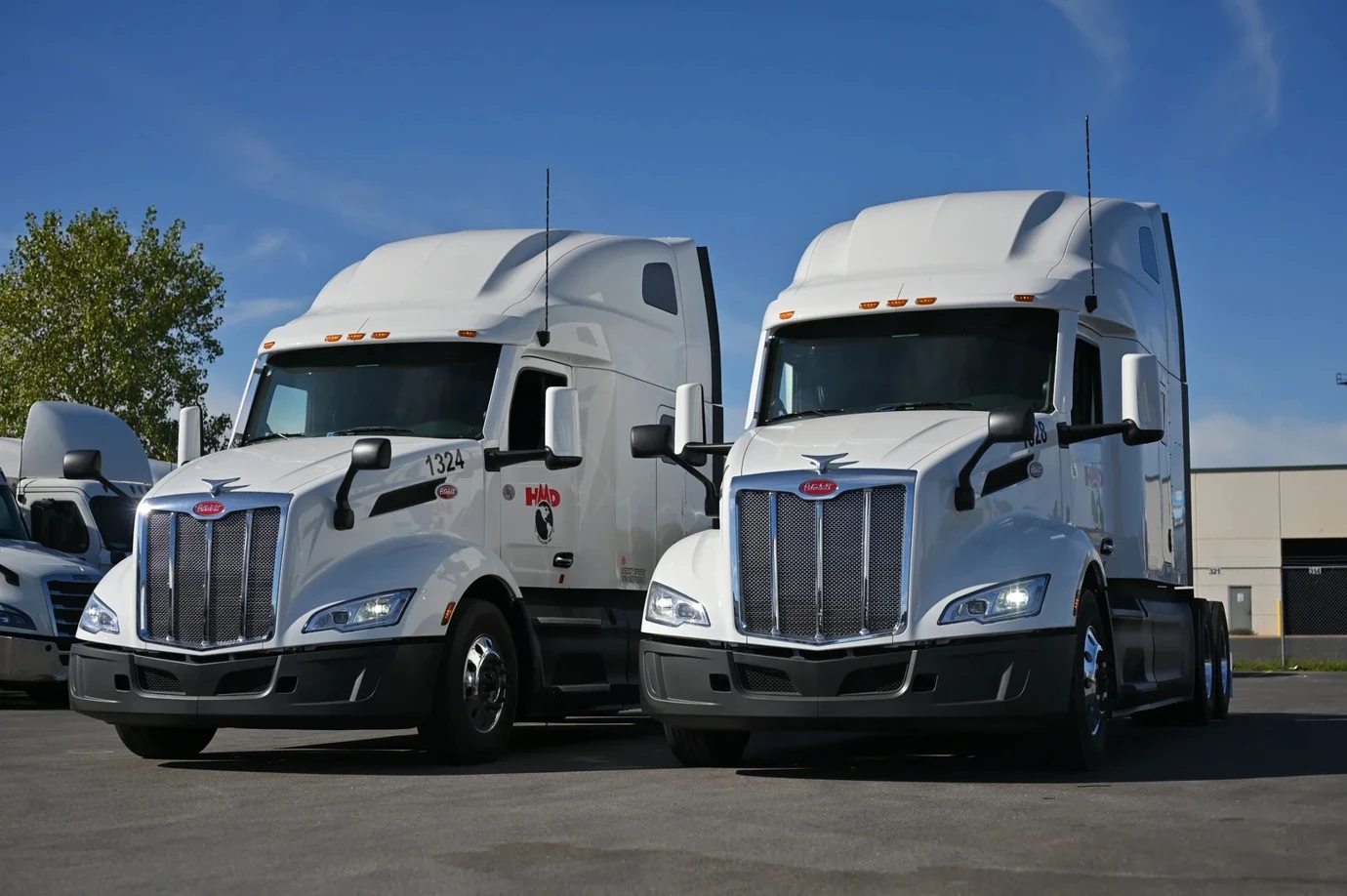
Photo courtesy of HMD Trucking.
NOVEMBER 11, 2026 – If you drove heavy vehicles in the military and plan to work around Charlotte, begin with your driving records. North Carolina offers two military CDL test-waiver paths for eligible applicants. The licensing agency decides which tests you need, and each civilian carrier decides which experience counts toward its jobs. Work through both questions before you pay for training or commit to an orientation date.
1. Which North Carolina CDL waiver fits my record?
The Military CDL Skills Waiver can waive the road skills test for qualified applicants. North Carolina also participates in Even Exchange, which can waive both the knowledge and skills tests for qualifying military drivers. Start with NCDMV’s Services for Military Personnel page and check the application for the program you want. The forms ask about your military driving role, the equipment you operated and when you last did that work.
2. How recently did I drive qualifying equipment?
NCDMV’s published instructions describe a one-year window for recent qualifying service. FMCSA issued a temporary military CDL waiver effective October 30, 2026, through January 29, 2027, that allows states to use a two-year window. Check with NCDMV before relying on the longer window. If you’re close to the cutoff, give the licensing office the date you last held the qualifying driving position.
3. Which documents should I gather?
Start with your military driving record, vehicle operator identification and the contact details NCDMV asks for from your commanding officer. Veterans should check the form for the DD-214 requirement. The state lists additional documents for Even Exchange, including a DOT medical certificate. Follow the application instructions for your program and use the state’s designated submission process for service and identity records.
4. What training would I need on the civilian side?
Ask what tests, training or endorsements still apply to the class and vehicle you want to drive. If you’re comparing a CDL school or employer apprenticeship, ask who provides the training, what it costs and whether the program leads to the type of job you want. Eligible veterans can check the VA’s GI Bill Comparison Tool for the specific school or employer program before enrolling.
5. How do I describe my military driving experience?
Put the equipment and responsibilities in plain language. A recruiter can do more with dates, vehicle types, combination-vehicle experience and duties such as inspections or loading than with an occupational code by itself. Gather records that support what you list. If you’re still serving, ask your unit how you can obtain a copy of your driving record before you transition.
6. Will a Charlotte employer count that experience?
Ask the recruiter how the company counts military experience and what documents it uses to verify it. Requirements can vary by carrier and route. If you already have qualifying OTR experience and want to stay out for longer runs, HMD Trucking lists Charlotte-area solo dry van and flatbed jobs. Check the minimum experience for each role and ask whether your driving record meets it.
7. What would my first month on the job look like?
Ask where orientation takes place, how training pay works and when the carrier expects you to take your first run. Get the tractor pickup location and a recent example of the home-time schedule. If you have drill dates, appointments or a family commitment, ask how the account handles dates you need to keep.
Once you have your records, call the licensing office about the tests and the recruiter about the job. Keep those answers together. They will tell you whether to apply now, get more experience on specific equipment or choose a training route that fits your plans.