
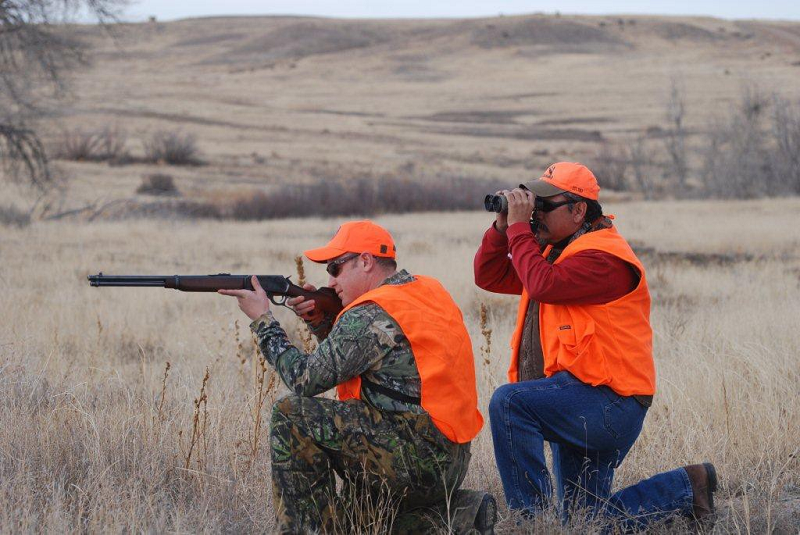
NOVEMBER 12, 2026 – If you served, there’s a good chance you already know your way around an AR-style rifle. Many veterans who love going hunting also love the idea of building their own custom setup for the field, and the AR-15 is a natural place to start. A rifle built for hunting has different needs than the one you carried in uniform, though, and it helps to know which parts matter and what common mistakes to avoid before you start shopping.
AR-15 parts can be as specific and unique as you want. There is a wide range of components that you can buy for an AR-15, which can make it pretty overwhelming to put together a hunting setup, even if you know the platform well. This guide will walk you through the main things to think about so your build fits the way you actually plan to hunt.
What Carries Over From Your Service (and What Doesn’t)
The good news is that a lot of your training still applies. Safe handling, basic maintenance, and being comfortable with the controls all carry over, and that gives you a head start over most first-time builders. What changes is the job the rifle is doing. In the field you are usually taking one well-placed shot at an animal, often after carrying the rifle for miles, so things like caliber, weight, and optics matter in a different way than they did on the range or on deployment.
First Things First
You will need to identify a few factors before you ever start building your setup.
What are you going to hunt?
The first question you need to be able to answer is what you are going to be hunting. You will need a slightly different setup and different ammunition depending on the size of the animals you are after. The standard 5.56 can work well for coyotes and other varmints, and plenty of hunters use it on hogs. For deer, you will want to check whether your state allows it and whether a larger cartridge like 6.5 Grendel or .350 Legend makes more sense. Elk and other big game usually call for more rifle than a typical AR-15 is built for.
Having the advice of an experienced hunter can help you identify your needs so that you don’t spec out a rifle for a kind of game that you will never end up hunting.
Consider Terrain and Local Rules
The kind of terrain you will be hunting in has a lot to do with how long your rifle should be and how far you can expect to shoot. A shorter barrel is easier to handle in thick brush or from a blind, while a longer barrel can help with velocity and accuracy at longer distances in open country. You will also need to follow your state’s hunting rules, which can cover things like magazine capacity, which cartridges are legal for certain game, and other requirements. These vary a lot from state to state, so check with your state wildlife agency before you buy anything.
Weight, Ergonomics, and Trigger
Your experience with your build will be directly impacted by how it feels to carry and shoot. A lot of hunters prefer a crisp, clean trigger with a lighter pull than a standard mil-spec trigger, which can help with accuracy when you only get one careful shot. The rifle also needs to be well-balanced and light enough to carry all day. That can mean skipping some of the extra rails and accessories you may be used to and choosing a stock that fits you well and stays comfortable during long sits.
Optics
If you are going to add a scope, you will need to understand what different scopes can offer. A red dot is great for close, fast shots, but most hunters will want a variable-power scope for shots at longer distances. There are plenty of good hunting scopes that are affordable and worth the investment, and a solid mount matters just as much as the scope itself.
Tips for Your Build
The usual way to get started with a custom AR build is with a stripped lower receiver. This is the part of the rifle that is legally considered the firearm, so it has to be purchased through a licensed dealer with a background check, just like buying a complete gun. Depending on where you live, there may also be state or local rules to follow.
You will then start adding parts to your stripped lower that are specific to your hunting needs. The things you had in mind when you started thinking about your build will come into play here, so add the parts and components that suit the game you expect to hunt, the terrain, and the local regulations.
Be aware that a complete kit can be the fastest and most reliable way to build a solid first AR-15, but you will be limited to the components that are included in each kit. You might not be able to spec out your rifle correctly for your hunting plans and local regulations with a kit. If you are not sure a kit will give you what you are looking for, you will probably want to choose each part with the help of an experienced builder.
Be sure, as well, that you have a safe place to store your rifle and the right supplies to clean and care for it. Many people only think about building the rifle, and they never consider that they will need to keep it locked up and away from kids or that they will need to clean it after every trip out in the field.
Building a Hunting AR-15 Can Make Your Next Season Even Better
For veterans who already know and trust the AR platform, building a rifle for hunting can be a great way to put that experience to use in a new setting. The sea of options for parts and components can still be overwhelming, so always do your research and only invest in quality parts. Safety and reliability are key, and taking the time to vet the companies that you buy parts from is critical.
Building your own hunting rifle can change your whole experience out in the field. Make sure that you know what kind of game you will be hunting and that you understand your local hunting regulations before you ever buy a single part. Starting out with the right information can make all the difference.