
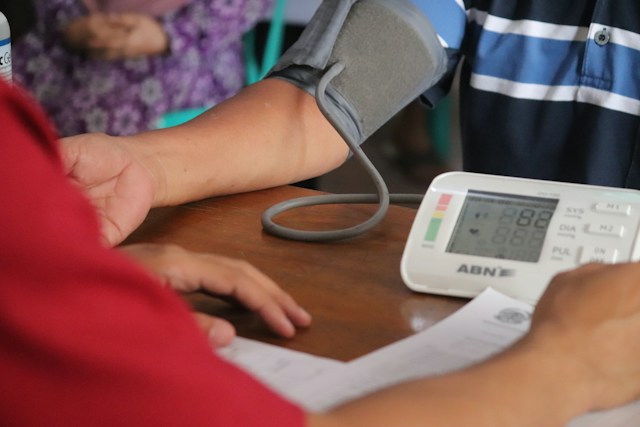
OCTOBER 31, 2026 – After leaving the military, many veterans transition back to civilian life. Some pursue regular employment, while others start businesses. As they try to adapt, settle in, and earn a living, they can get caught up in activities and overlook their health. However, being healthy in the moment doesn’t guarantee continued well-being.
Exposure to violence, environmental hazards, and harmful substances can eventually lead to chronic health conditions. That’s why it’s important to prioritize your health and go for thorough medical evaluations at intervals. Keep reading to discover five benefits of medical screenings and examinations for ex-service members.
Improved Preventive Care
A qualified professional’s medical assessment establishes communication between veterans and health care providers. Through regular assessments, ex-service men can understand their health and learn ways to avoid preventable illnesses. In hospitals, doctors usually advise on health-promoting activities, the kinds of diet to follow, and practices to avoid.
Those who skip or ignore regular medical evaluations miss out. Some rush to the hospital only after noticing symptoms, but by then it may be too late. However, personalized medical advice can help you protect your well-being.
Early Diagnosis of Health Problems
Routine checks may feel exhausting, but they are vital for veterans with higher risks of developing certain illnesses, such as:
- Hodgkin’s disease, mesothelioma, and other kinds of rare cancers
- Traumatic brain injuries
- Osteoarthritis, carpal tunnel syndrome, and other musculoskeletal conditions
Some illnesses don’t have any physical symptoms. As such, doctors can only detect them through medical tests and screenings. With early diagnosis, treatment can begin immediately, limiting the risk of complications.
Better Management of Chronic Conditions
Not all diseases are curable. Some last throughout a person’s lifetime and can be chronic or terminal. Veterans with such conditions usually require long-term care. Therefore, those whose families live far away tend to hire live-in caregivers or auxiliary nurses.
These carers administer daily medications, document changes in existing conditions, and sometimes assist with personal tasks. However, their presence doesn’t eliminate the need for consultations with doctors who provide guidance, manage complications, and create treatment plans.
Consistent Health Monitoring
Once you register at a hospital for treatment, the administrative staff opens a file for you. This file contains your medical history and is used for review whenever you revisit. As such, there’s always an updated record of your health status with existing conditions, past treatments, outcomes, and other useful information:
If you move to a new location, this file supports continuity of care, as you can request that it be transferred to your new physician. In addition, regular checkups provide an opportunity to monitor vital signs and test organ function.
Informed Treatment Decisions
Routine medical examinations and tests place you in the same environment with different kinds of health experts. Hence, you can ask questions, discuss progress or relapse, and learn about discoveries that help you choose between treatment methods.
For example, a veteran living with cancer of the mesothelium can choose to undergo chemotherapy or immunotherapy for mesothelioma. However, such decisions should be made with an oncologist’s support to ensure they align with health needs.
Endnote
Health affects all aspects of life and should be prioritized, especially by veterans who have experienced harm. Periodic health assessments can help prevent certain conditions, diagnose illnesses early, and manage ailments effectively. Routine checks also ensure consistent monitoring and give veterans access to important health information.